.svg)



How to Choose the Perfect Paint Colors for Every Room

When it comes to interior design, color is one of the most powerful tools at your disposal. The hues you choose for your walls can profoundly impact the mood and ambiance of a room, transforming it from a bustling hub of activity to a serene sanctuary with just a few coats of paint. However, with an endless spectrum of colors available, selecting the perfect shade for each space in your home can be daunting. This in-depth guide will help you navigate the world of interior paint colors to create personalized and harmonious spaces throughout your home.
Understanding Color Psychology
Before diving into specific room recommendations, it's important to understand the basics of color psychology. Different colors can evoke different emotions and reactions:
- Red: Associated with energy and passion, it can be stimulating and exciting.
- Blue: Linked to calmness and serenity, it's often used to create a tranquil atmosphere.
- Yellow: A cheerful and vibrant color that can make a space feel more open and welcoming.
- Green: A restful color that symbolizes nature and can promote a sense of balance and renewal.
- Purple: A rich color often associated with creativity and luxury.
- Orange: A warm color that can add a sense of fun and enthusiasm.
- Neutrals (white, black, gray, beige): Offer a backdrop for other colors, providing balance and flexibility.
Knowing the psychological impact of each color can give you a foundation from which to make informed choices about the ambiance you want to create in each room.

Choosing Colors Room by Room
The Living Room
The living room is where families come together to relax and socialize, so your color choice should reflect a balance between comfort and personal style. Warm shades like earthy reds and oranges can create a more social atmosphere, while cool blues and greens foster calmness and relaxation. Neutrals work well here too, providing a canvas for furniture and artwork.
The Kitchen
Kitchens are often the heart of the home and a hotbed of activity. Bright colors like yellow or light green can boost the mood and energize the space, encouraging social interactions and joy during meal prep. If you prefer a sleeker, more modern look, consider white or gray combined with pops of color from appliances or accessories.
The Bedroom
A bedroom should be a place of rest and recuperation. Soft blues and greens are excellent choices to promote sleep and tranquility. For those who prefer a cozier feel, rich, muted tones like deep berry or forest green can make the space feel intimate and warm.
The Bathroom
Bathrooms, especially those without natural light, benefit from colors that evoke cleanliness and freshness. Light blues, greens, and turquoise bring to mind the purity of water, while whites and pale grays can make a small bathroom feel larger and brighter.
The Dining Room
Rich, deep colors like burgundy or navy can lend a dining room an air of sophistication and luxury, ideal for formal settings. For a more casual atmosphere, consider warm neutrals or muted versions of your favorite colors to promote appetite and conviviality.
The Home Office
For a productive work environment, calming colors like sage green or a pale blue can reduce stress and keep you focused. For a boost of creativity, less saturated hues like lavender or soft orange can inspire without overwhelming.
Testing Your Choices
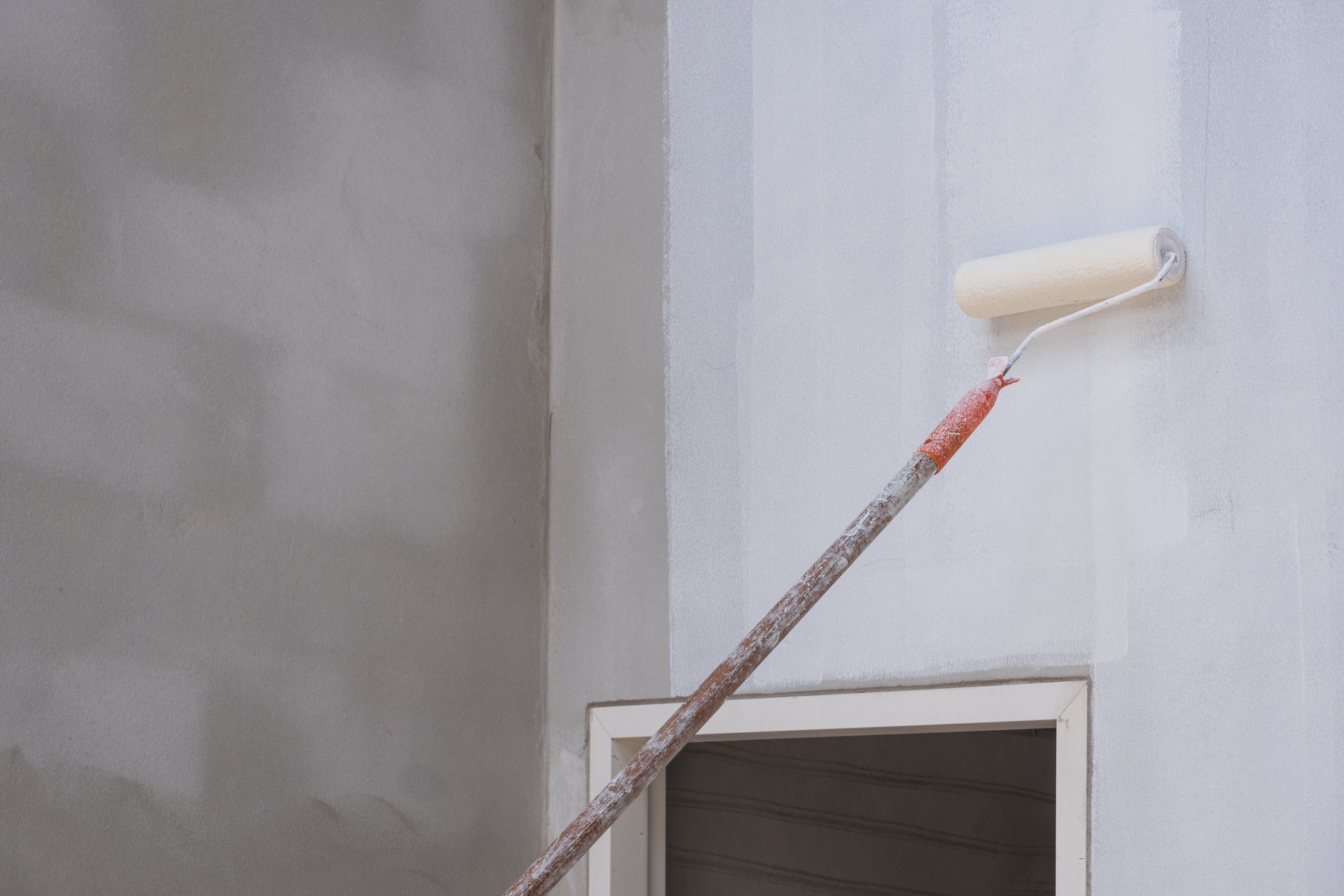
Once you've narrowed down your options, it’s essential to test your colors in the actual environment. Paint swatches on different walls to observe how light changes the color throughout the day. Consider purchasing sample-sized paint cans for larger test areas.
Don't Forget the Finish
The finish of your paint can also affect color perception. Glossy finishes reflect more light, making them ideal for darker spaces, while matte finishes can help mask surface imperfections and lend a soft, even look.
Conclusion
Color has the power to transform your home in profound ways. By considering the mood and function of each room, as well as how color affects us psychologically, you can create a cohesive and inviting atmosphere throughout your space. Use this guide as a starting point on your journey to color your world, and remember - when it comes to interior design, the best color choices are the ones that make you feel at home.

Start your painting project by requesting a virtual quote.
.svg)
Explore Pro Painters, full-service painting solutions.
.svg)
.svg)
.svg)
.svg)





Recommended Articles

How to Choose and Work with a Professional Exterior Painter


The Ultimate Guide to Calculating the Right Amount of Paint for Your Project
The Best Time of Year for Exterior Painting Projects

For over 20 years, Pro Painters has delivered professional, award-winning painting services with precision, passion, and excellent craftsmanship you can trust.

.svg)
.svg)

.svg)





.svg)

.svg)
.svg)








.svg)


.svg)