.svg)



Prepping Before Painting Your Home's Exterior

A new coat of paint can rejuvenate the exterior of your home, increasing its curb appeal and value. However, the difference between a professional-looking finish and a mediocre outcome often lies in the preparation. Proper prep work ensures that your paint adheres correctly, lasts longer, and looks better. This article outlines the essential steps to prepare your home’s exterior for painting, covering cleaning, repairs, sanding, priming, and protecting your surroundings.
Step 1: Comprehensive Cleaning
Why It's Important:
Paint adheres best to clean surfaces. Dirt, dust, and mildew can prevent paint from sticking well, leading to peeling and blistering.
How to Do It:
- Pressure Washing: Using a pressure washer is the fastest and most effective way to clean your home's exterior. It removes grime, mildew, and peeling paint. Remember to keep the pressure at a level that cleans without damaging siding, windows, or woodwork.
- Mildew Treatment: If there are areas with significant mildew, treat them with a solution of bleach and water or a commercial mildew-cide, following the manufacturer’s instructions.

Step 2: Making Repairs
Why It's Important:
Damaged areas can undermine your paint job. Painting over rotted wood, cracked stucco, or rusted metal will lead to problems sooner rather than later.
How to Do It:
Inspect your home's exterior meticulously, looking for any signs of damage.
- Wood: Replace or repair damaged wood siding or trim. Use wood filler for small repairs.
- Stucco: Patch cracks with stucco patch compound.
- Metal: Remove rust and apply a primer designed for metal surfaces.
Step 3: Sanding
Why It's Important:
Sanding smooths out imperfections and creates a surface that paint can grip more effectively.
How to Do It:
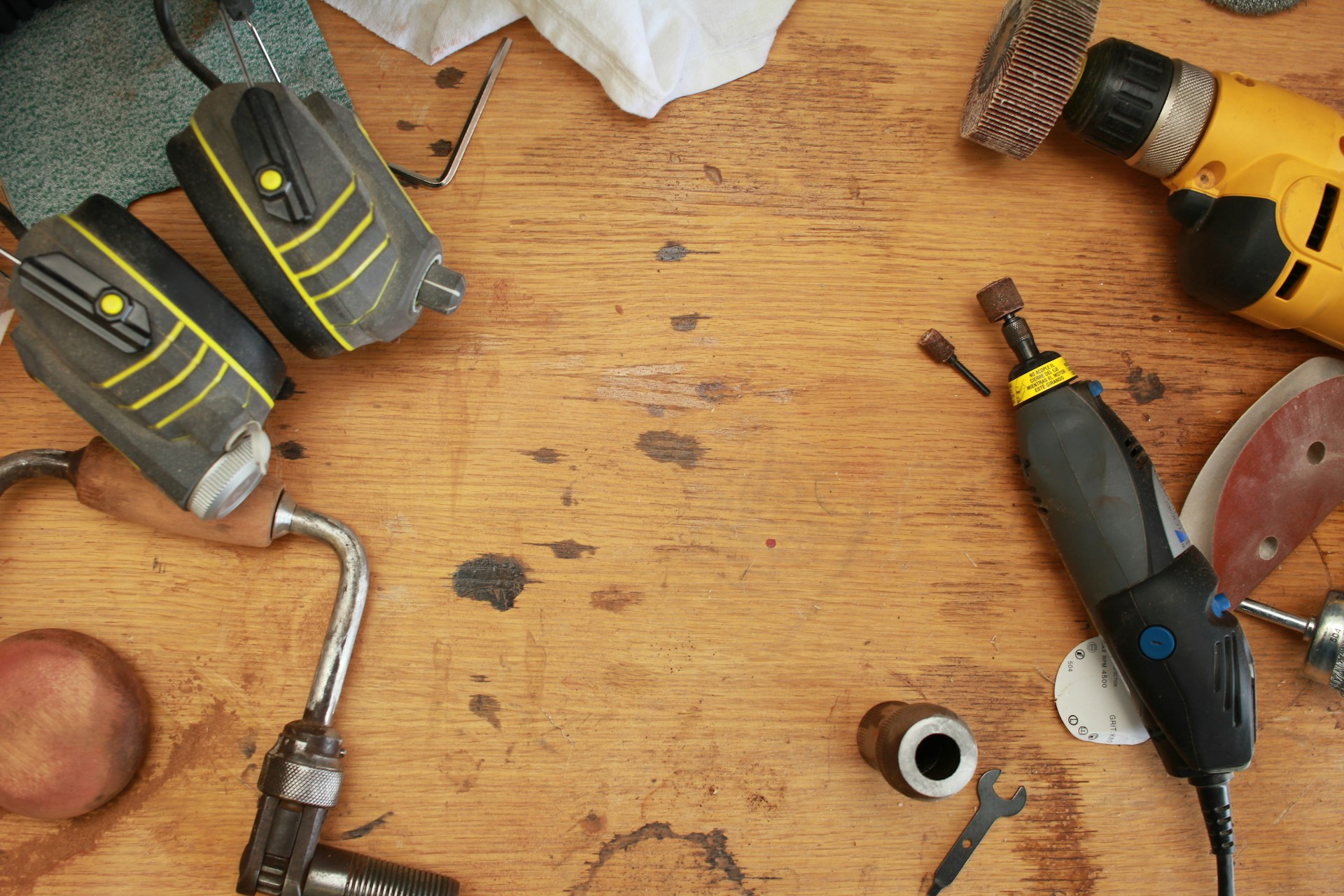
- Sand peeling or flaking areas to achieve a smooth transition between the old paint and the bare surface.
- Use a medium-grit sanding block for coarse areas and fine-grit for a smooth finish.
- Be cautious not to damage the substrate. The goal is to remove loose paint and roughen glossy surfaces, not to sand down to the bare material everywhere.
Step 4: Priming
Why It's Important:
Primer serves as the foundational layer for your paint, improving its adhesion and increasing durability. It also helps in achieving uniform color and reducing the number of paint coats required.
How to Do It:
- Choose a primer appropriate for your surface type and the paint you’re using.
- Apply primer to all bare and repaired areas. In some cases, such as when changing the color drastically or painting over bare wood or metal, you might need to prime the entire surface.
- Allow the primer to dry completely before proceeding with painting.
Step 5: Protecting Windows, Landscaping, and Surroundings
Why It's Important:
Overspray and drips can mar windows, damage landscaping, and stain surfaces you don't intend to paint.
How to Do It:
- Windows and Fixtures: Use painter's tape and plastic sheeting to cover windows, lighting fixtures, and other features.
- Landscaping: Cover plants, grass, and soil with drop cloths or plastic sheeting to protect them from drips and overspray.
- Paths and Decks: Ensure walkways, decks, and patios are covered or shielded.
Conclusion
Taking the time to properly prepare your home’s exterior for painting is a critical step that should not be overlooked. By following these steps, you ensure that your paint job will not only look professional but also withstand the elements longer. Remember, the best paint jobs are built on a foundation of thorough prep work. Committing to these preparation steps can elevate your home’s appearance and protect your investment in painting your exterior.
Start your painting project by requesting a virtual quote.
.svg)
Explore Pro Painters, full-service painting solutions.
.svg)
.svg)
.svg)
.svg)





Recommended Articles

How to Choose and Work with a Professional Exterior Painter


The Ultimate Guide to Calculating the Right Amount of Paint for Your Project
The Best Time of Year for Exterior Painting Projects

For over 20 years, Pro Painters has delivered professional, award-winning painting services with precision, passion, and excellent craftsmanship you can trust.

.svg)
.svg)

.svg)





.svg)

.svg)
.svg)








.svg)


.svg)